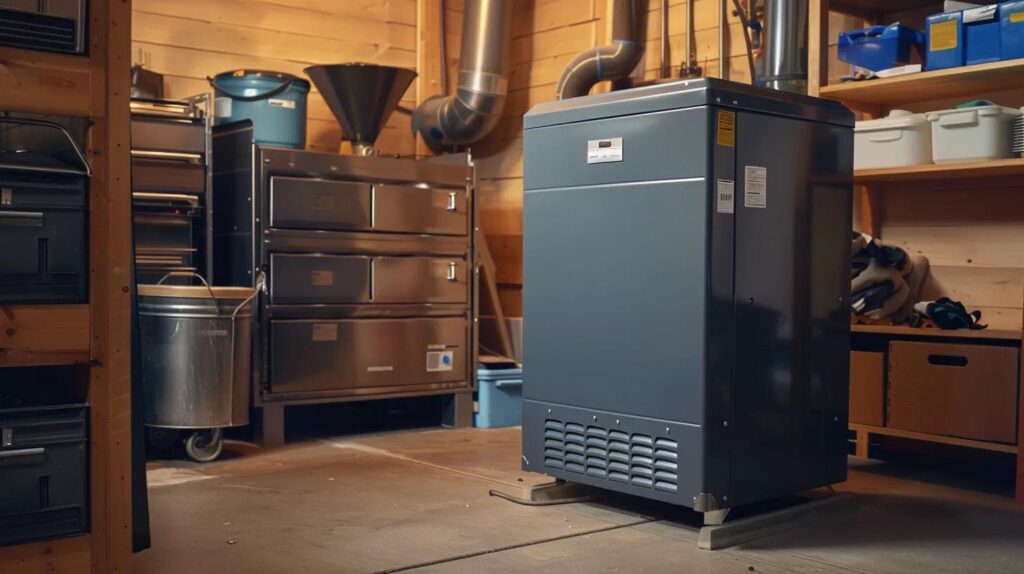
When to Replace Your Heating Unit: Costs, Signs, and Benefits
Replacing your heating unit is a significant decision that can impact your comfort and energy bills. Understanding when to replace your heating system involves recognizing the signs of failure, evaluating the costs associated with replacement, and considering the benefits of a new unit. Many homeowners face challenges such as rising energy costs and inconsistent heating, which can signal the need for a replacement. This article will guide you through the costs of replacing a heating unit, the signs that indicate it’s time for a new system, and the benefits of making this investment. We will also discuss the best timing for an upgrade and how maintenance can extend the life of your heating unit. Making an informed decision can help you avoid unexpected breakdowns and ensure your home remains warm and energy-efficient throughout the colder months.
Costs of Replacing a Heating Unit in Kern County
The costs associated with replacing a heating unit can vary significantly based on the type of system and installation requirements. In Kern County, homeowners can expect to pay between $3,500 and $8,000 for a new heating system, depending on the specific model and installation complexity. Gas furnace installation typically ranges from $3,500 to $7,000, while electric furnace installation usually costs between $2,000 and $4,500. Additional costs may arise from necessary upgrades or modifications to existing ductwork or electrical systems. It is important to budget for these potential extra expenses to avoid surprises during the installation process. Consulting with a qualified contractor can provide a more accurate estimate tailored to your home’s specific needs.
Indeed, homeowner priorities and financial considerations play a significant role in the decision-making process for heating system replacements. Factors such as energy efficiency goals, environmental concerns, and long-term savings also influence the choice of system and timing of replacement. By carefully weighing these elements, homeowners can select a heating solution that best fits their lifestyle and budget.
Homeowner Factors in Heating System Replacement Costs
This may depend on the priority given to replacing a heating system and the ability to pay for a more
Innovative approaches to domestic heating: homeowners’ perceptions and factors influencing their choice of heating system, K Mahapatra, 2008
Signs Your Heating Unit Needs Replacement
Identifying the signs that your heating unit needs replacement is crucial for maintaining comfort and efficiency in your home. Key indicators include:
- Frequent Repairs: If you find yourself calling for repairs multiple times a year, it may be more cost-effective to replace the unit. Frequent breakdowns not only increase repair costs but also cause inconvenience and discomfort during cold weather.
- Unit Age: Heating units typically last between 15 to 30 years. If your system is approaching or exceeding this age, it may be time to consider a replacement. Older units often lack modern energy-saving features and may struggle to heat your home effectively.
- Energy Bill Spikes: A sudden increase in your energy bills can indicate that your heating unit is no longer operating efficiently. Inefficient systems consume more energy to maintain the desired temperature, leading to higher costs.
How to Identify Common Heating System Failure Symptoms
Common symptoms of heating system failures can help you determine if a replacement is necessary. Look for:
- Poor Airflow: If you notice weak airflow from your vents, it may indicate a failing system. Blockages, leaks, or worn-out components can reduce the effectiveness of your heating unit.
- Unusual Noises: Strange sounds, such as banging or clanking, can signal mechanical issues. Ignoring these noises may lead to more severe damage and costly repairs.
- Yellow Pilot Light: A yellow pilot light instead of blue can indicate incomplete combustion, which is a safety concern. This issue should be addressed immediately to prevent carbon monoxide buildup.
How Much Does Heating System Replacement Cost in Kern County?
The cost of replacing a heating system in Kern County typically ranges from $3,500 to $8,000. This range can vary based on several factors, including the type of heating system chosen and the complexity of the installation. It is advisable to obtain multiple quotes and consider the long-term operating costs when selecting a new system. Investing in a higher-efficiency model may have a higher upfront cost but can result in significant savings over time.
What Factors Influence Heating Unit Replacement Prices?
Several factors can influence the prices of heating unit replacements:
- Type of Heating System: Different systems, such as gas furnaces, electric furnaces, and heat pumps, have varying costs. Each type offers distinct advantages and may be better suited to certain home layouts or climates.
- Installation Complexity: The difficulty of the installation can affect labor costs. Homes with outdated ductwork or limited access may require additional work, increasing the overall price.
- Local Labor Rates: Labor costs can vary based on the local market and availability of skilled technicians. Choosing a reputable contractor with experience in your area can ensure quality workmanship.
How Do Local Climate Conditions Affect Replacement Costs?
Local climate conditions can significantly impact the costs associated with heating system replacements. In areas with colder climates, more robust heating systems may be required, which can increase initial costs. Additionally, energy efficiency variations based on climate can influence long-term operational costs. For example, a system designed for mild winters may not perform adequately in harsher conditions, leading to higher energy consumption and maintenance needs. Understanding your local climate helps in selecting the most appropriate and cost-effective heating solution.
What Are the Benefits of Installing a New Heating System?
Installing a new heating system offers several benefits that can enhance your home’s comfort and efficiency. Key advantages include:
- Energy Savings: Newer heating units are designed to be more energy-efficient, which can lead to lower utility bills. Advanced technology reduces wasted energy and optimizes performance.
- Improved Comfort: Modern systems provide better temperature control and more consistent heating throughout your home. Features like zoned heating allow for customized comfort in different areas.
- Lower Carbon Footprint: Upgrading to an energy-efficient model can reduce your environmental impact. Many new units use cleaner energy sources and comply with stricter emissions standards.
How Does a New Heating Unit Improve Energy Efficiency?
A new heating unit can significantly improve energy efficiency through advanced technology and design. Modern systems often feature variable-speed motors and smart thermostats that optimize energy use, resulting in reduced energy bills and a more comfortable living environment. Additionally, improved insulation and sealing in newer units help retain heat better, minimizing energy loss.
What Long-Term Savings and Comfort Can You Expect?
Investing in a new heating system can lead to long-term savings and enhanced comfort. New units typically require fewer repairs and maintenance, and their energy efficiency can result in substantial savings over time. Homeowners can expect improved durability and reliability, contributing to a more comfortable living space. Furthermore, many manufacturers offer extended warranties and support, providing peace of mind for years to come.
When Is the Best Time to Upgrade Your Heating System?
Timing your heating system upgrade can maximize benefits and savings. The best time to consider an upgrade is when your current unit is nearing the end of its lifespan or showing signs of inefficiency. Planning ahead allows you to take advantage of seasonal promotions and avoid emergency replacements during peak cold periods. Early upgrades can also provide immediate improvements in comfort and energy savings.
How Does HVAC Unit Lifespan Inform Replacement Timing?
Understanding the lifespan of your HVAC unit is crucial for determining the right time for replacement. Most heating systems last between 15 to 30 years, and as they age, their efficiency tends to decline. If your unit is approaching this age, it may be wise to start planning for a replacement. Monitoring performance and maintenance history can help you anticipate when a new system will be necessary, allowing for a smoother transition.
The complexities of choosing a new HVAC system often involve weighing various factors beyond just age, including the availability of modern alternatives and their long-term implications. Considering energy efficiency ratings, environmental impact, and compatibility with smart home technologies can influence your decision and future-proof your investment.
HVAC System Replacement: Cost, Lifespan, and Maintainability
The availability of alternatives to conventional systems and their implication on factors like cost, lifespan, and maintainability is a major cause of apprehension.
What Do Circular Strategies Mean for Current HVAC Systems in Utility Buildings, 2023
What Maintenance Tips Can Extend Your Heating Unit’s Life?
Regular maintenance can significantly extend the life of your heating unit. Consider these tips:
- Regular Filter Changes: Changing filters every 1-3 months can improve airflow and efficiency. Clean filters prevent dust buildup and reduce strain on the system.
- Annual Inspections: Scheduling annual inspections with a qualified technician can identify potential issues before they become major problems. Preventative maintenance helps maintain optimal performance and safety.
- Duct Cleaning: Keeping your ductwork clean can enhance system efficiency and indoor air quality. Clean ducts reduce allergens and improve airflow throughout your home.
To further enhance your understanding of heating solutions, exploring resources like Heating Solutions can provide valuable insights into modern heating technologies and practices. Staying informed empowers you to make the best choices for your home’s heating needs.
Conclusion
Replacing your heating unit can lead to significant energy savings, improved comfort, and a reduced carbon footprint. By recognizing the signs of inefficiency and understanding the costs involved, homeowners can make informed decisions that enhance their living environment. Don’t wait for unexpected breakdowns; consider upgrading your heating system today for long-term benefits. Explore our expert resources to find the best heating solutions tailored to your needs.