








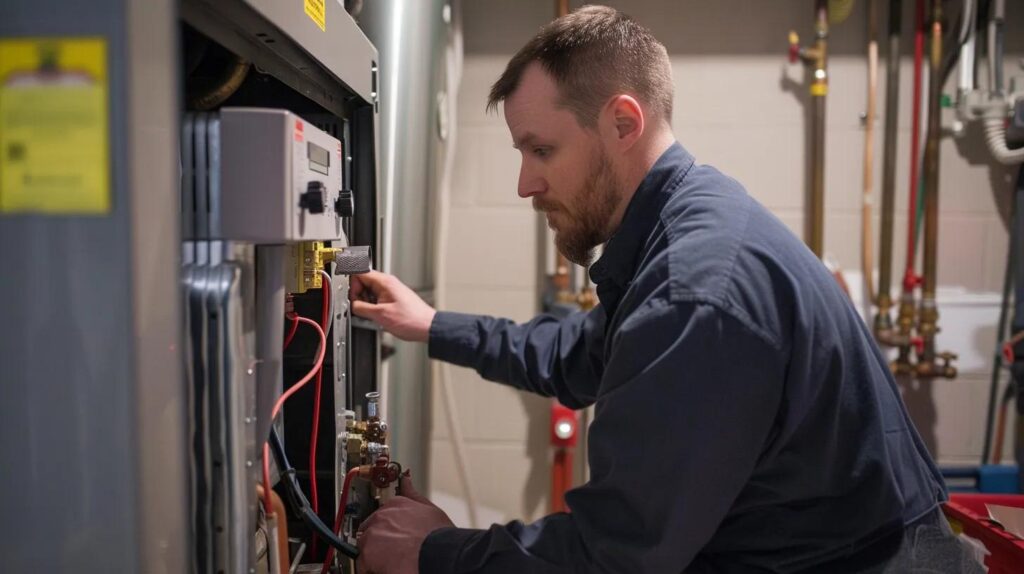
Gas vs. Electric Furnace: Which Is Right for Your Home? A Clear Guide to Installation Costs & Energy Efficiency
Picking the right furnace shapes how comfortable your home feels and how much you pay to heat it. This guide breaks down the practical differences between gas and electric furnaces — from efficiency and upkeep to installation costs in Kern County — so you can pick what fits your budget and lifestyle. Read on for straightforward comparisons, safety notes, and tips on working with local HVAC pros. Making an informed choice not only improves your home’s comfort but can also lead to significant savings over the life of your heating system.
Key differences between gas and electric furnaces
Gas and electric furnaces heat homes in different ways and each has trade-offs. Knowing how they work and what to expect helps you choose a system that matches your needs, home layout, and utility costs. Additionally, understanding these differences can help you anticipate maintenance needs and potential environmental impacts, ensuring your heating solution aligns with your long-term goals.
How gas furnaces work — and why homeowners choose them
Gas furnaces burn natural gas in a burner to create heat, which is pushed through ductwork by a blower. They warm homes quickly and usually cost less to run in areas where natural gas is cheap. Gas units often last a long time when properly maintained, making them a common choice for larger homes or households that need strong, consistent heat. Many homeowners also appreciate the reliability of gas furnaces during power outages, as some models can operate without electricity.
Research into residential gas furnaces offers useful detail on efficiency, life-cycle costs, and their role in U.S. home heating. These studies highlight how advancements in technology have improved gas furnace performance, making them more environmentally friendly and cost-effective than ever before.
Residential Gas Furnace Efficiency & Life-Cycle Costs
This analysis reviews life-cycle costs for households and the broader energy and economic effects of efficiency improvements in U.S. residential furnaces. Most U.S. homes use central furnaces with ducts and natural gas. A furnace blower’s electricity use is notable — comparable to a major appliance annually — and since the same blower often runs for cooling in summer, more efficient fans and motors can deliver year-round savings. Current regulations require new residential gas furnaces (excluding mobile home units) to meet at least 78% AFUE, though most models sold are 80% AFUE or higher. The paper explores the potential for efficiency gains across systems. Electricity and Natural Gas Efficiency Improvements for Residential Gas Furnaces in the US, JE McMahon, 2006. Understanding these costs helps homeowners plan for both upfront investment and long-term savings, making it easier to justify higher-efficiency models.
How electric furnaces work — and their advantages
Electric furnaces use resistance heating (coils) to convert electricity into heat. They’re generally easier and cheaper to install because they don’t need venting or gas lines, and they require less routine service. Because they don’t burn fuel, they don’t produce carbon monoxide — a key safety benefit. Depending on local electricity prices, though, they can cost more to operate than gas units. Electric furnaces also offer the advantage of being compatible with renewable energy sources, such as solar panels, which can further reduce environmental impact and operating costs.
Comparing energy efficiency: gas vs. electric
Efficiency affects your bills and your home’s environmental footprint. Both furnace types use standard ratings that make comparisons easier, but the best choice depends on how you use heat and what energy costs look like in your area. Additionally, factors such as home insulation, thermostat settings, and usage patterns can influence the overall efficiency and cost-effectiveness of your heating system.
Understanding AFUE and what it means for your home
Furnaces are measured by AFUE (Annual Fuel Utilization Efficiency), which shows how much fuel becomes usable heat. Gas furnaces commonly fall between 78% and 98% AFUE. Electric furnaces can approach 100% AFUE since nearly all electrical input turns to heat. Still, real-world cost-effectiveness depends on local gas and electric rates, climate, and how efficiently your home retains heat. It’s important to consider that a higher AFUE rating does not always translate to lower bills if the fuel cost is significantly higher or if the furnace is oversized for your home.
Studies on AFUE and field performance help explain real savings versus the rated numbers. These studies emphasize the importance of proper installation and regular maintenance to achieve the rated efficiency in everyday use.
Gas Furnace Performance & AFUE Ratings for Home Heating
In 2010, natural gas accounted for 54% of residential space heating energy in the U.S., and furnaces burning natural gas supplied most of that total. Measuring installed furnace performance is key to realizing energy savings. AFUE gives a standardized comparison of models—similar to a vehicle MPG rating—and is widely used in energy modeling and consumer choice. Improving Gas Furnace Performance: A Field and Laboratory Study at End of Life, J Baker, 2015. This research highlights how aging furnaces can lose efficiency over time, underscoring the value of timely replacement or upgrades.
| Furnace Type | AFUE Rating | Typical Efficiency | Cost Implications |
|---|---|---|---|
| Gas Furnace | 78% – 98% | High | Lower fuel costs in many areas |
| Electric Furnace | Up to 100% | Very High | Typically higher electricity costs |
How Kern County energy prices shape your choice
Local utility rates matter. In Kern County, natural gas is often less expensive than electricity, which can make gas furnaces more cost-effective over time. Price swings and future rate changes are worth considering when you pick a system. Additionally, incentives or rebates offered by local utilities for energy-efficient equipment can influence the overall cost-benefit analysis. Staying informed about these factors can help you make a financially sound decision.
Typical home furnace installation costs in Kern County
Installation costs vary with the type of furnace and the work required. Existing infrastructure, home size, and local labor rates all affect the final price. It’s also important to factor in potential costs for necessary upgrades, such as electrical panel improvements for electric furnaces or venting modifications for gas units, which can impact the total investment.
Installation cost differences: gas vs. electric
Gas furnace installs often include added expenses for venting and gas line work, which can push the price up. Electric furnace installations are usually simpler and can be less expensive up front. Typical ranges are $3,000–$6,000 for gas furnace installation and $1,500–$4,000 for electric furnace installation. However, these costs can vary widely depending on the complexity of the job and the quality of the equipment chosen. Obtaining multiple quotes and working with reputable contractors can help ensure you get the best value.
Local factors that affect installation pricing in Kern County
Several local conditions can change the cost to install a furnace:
- Building codes and permits : Local regulations and inspections can add to the project timeline and cost. Staying compliant ensures safety and legal operation of your heating system.
- Seasonal demand : Prices can rise when many homeowners are scheduling installs or repairs. Planning your installation during off-peak seasons may save money and reduce wait times.
- Existing ductwork and home layout : Homes with ready-to-use ducts typically have lower install costs than those needing new ductwork or major changes. In some cases, ductless options may be considered to reduce installation complexity.
Essential maintenance tips for gas and electric furnaces
Regular maintenance keeps your furnace running safely and efficiently, helps avoid breakdowns, and extends equipment life. Below are simple, practical maintenance guidelines for both types of systems. Proactive care not only improves performance but can also prevent costly emergency repairs and improve indoor air quality.
How often to service a gas furnace
We recommend annual service for gas furnaces. A yearly check should include the burner, heat exchanger inspection, blower and filter cleaning, and verification that safety controls (like flame sensors) are working. Also, ensure carbon monoxide detectors are installed and tested regularly. Scheduling maintenance before the heating season begins can help ensure your system is ready to perform reliably when you need it most.
Maintenance best practices for electric furnaces
Electric furnaces typically need service every one to two years. Important steps include changing or cleaning filters, checking electrical connections, and confirming thermostat accuracy. Routine attention reduces the risk of electrical issues and keeps the system running efficiently. Additionally, inspecting wiring and components for wear or damage can prevent potential hazards and extend the life of your furnace.
Safety considerations for gas and electric furnaces
Safety should guide your decisions about installation and upkeep. Each fuel type has different risks and protective features to understand. Being aware of these factors helps protect your family and property while ensuring your heating system operates as intended.
Gas furnace safety features and risks
Gas furnaces include safety devices like flame sensors and should be paired with working carbon monoxide detectors. The main risks are gas leaks and CO exposure, so regular inspections and prompt repairs are essential. It’s also important to ensure proper ventilation and to never ignore the smell of gas or unusual furnace behavior. Professional inspections can detect hidden issues before they become dangerous.
Electric furnace safety — what to watch for
Electric furnaces avoid combustion-related emissions, but they still require correct electrical work and maintenance to prevent hazards. Use licensed electricians and HVAC specialists to ensure safe installation and compliance with electrical codes. Overloaded circuits, faulty wiring, or damaged components can pose fire risks, so regular checks and timely repairs are critical for safe operation.
How local HVAC services in Kern County can help
Local HVAC teams can evaluate your home, recommend the right furnace type, handle safe installation, and provide reliable maintenance so your system performs well year after year. Their knowledge of local climate, building codes, and energy prices ensures you get tailored advice and service that maximizes comfort and efficiency.
Furnace installation and repair services from MRV Service Air Inc
MRV Service Air Inc offers furnace installation, repairs, and routine maintenance for both gas and electric systems. Our technicians bring local experience and a focus on safety and efficiency so your system meets your comfort needs and runs reliably. We also provide energy audits and system upgrades to help you save money and reduce your environmental footprint.
Why choose a licensed local technician for your furnace
Hiring a licensed local technician protects your investment in several ways:
- Skilled installation : Licensed techs have the training to handle complex installs and get systems running right the first time.
- Safer outcomes : Professionals follow safety rules and local codes to reduce risks.
- Warranty compliance : Many manufacturers require professional installation to keep warranty coverage valid.
By choosing MRV Service Air Inc , you get local expertise and warranty-respecting service so your furnace investment is protected. Our commitment to customer satisfaction means we stand behind our work and are available for ongoing support.
For questions or to schedule a consultation, contact us today — our team is here to help with your heating and cooling needs. Experience peace of mind knowing your home’s comfort is in expert hands.
Frequently Asked Questions
What are the environmental impacts of gas vs. electric furnaces?
Gas furnaces emit carbon dioxide and other greenhouse gases during operation. Electric furnaces don’t produce on-site emissions, but their environmental impact depends on how the electricity is generated. If your power comes from renewable sources, electric heating can be much cleaner. Check local energy sources and consider long-term plans for cleaner power when weighing environmental impact. Additionally, advances in technology and energy policies continue to shift the environmental balance, so staying informed is key to making sustainable choices.
How do gas and electric furnaces perform in extreme weather?
In very cold conditions, gas furnaces often deliver stronger, faster heat and hold indoor temperatures more easily. Electric furnaces are efficient at converting energy to heat but may take longer to warm large spaces and can cost more to run in extreme cold. Home size, insulation, and local climate should factor into your choice. Supplemental heating options or hybrid systems may also be considered to optimize comfort and efficiency in harsh climates.
What are the long-term cost differences between gas and electric furnaces?
Long-term costs depend on local fuel prices, how often you run the system, and maintenance. Gas furnaces usually have lower operating costs where natural gas is cheap, while electric furnaces can be cheaper to install and require less routine service. Consider both upfront and ongoing costs, plus potential incentives, when comparing total ownership cost. Factoring in energy efficiency improvements and potential future fuel price changes can also influence your decision.
Are there rebates or incentives for energy-efficient furnaces?
Many utilities and government programs offer rebates or incentives for installing high-efficiency furnaces, whether gas or electric. These programs can reduce upfront costs and speed up payback. Check with your local utility and state programs for current offers before you buy. Additionally, some programs provide financing options or tax credits that can make upgrading more affordable.
What should I consider when replacing an old furnace?
When replacing a furnace, look at the age and efficiency of the current unit, your home’s size and insulation, fuel availability, and local codes. Higher AFUE ratings save energy, but proper sizing and professional installation are equally important. A licensed HVAC technician can assess your home and recommend the best option. Also, consider the potential benefits of upgrading to smart thermostats or integrating your furnace with home automation systems for enhanced control and savings.
How can I improve the efficiency of my existing furnace?
Boost efficiency by keeping filters clean, sealing and insulating ducts, testing seals around windows and doors, and installing a programmable or smart thermostat. Regular maintenance and upgrades like a variable-speed blower can improve comfort and reduce energy use without replacing the entire system. Additionally, scheduling annual professional tune-ups can identify and address issues before they impact performance.
Conclusion
Choosing between a gas and electric furnace comes down to your budget, local energy prices, safety priorities, and how your home is built. Both options can be right — when matched to your needs and installed correctly. If you’d like personalized advice or a no‑pressure estimate, reach out to a local HVAC pro. We’re here to help you find the most comfortable, efficient solution for your home. Investing time in research and professional consultation now can pay dividends in comfort, savings, and peace of mind for years to come.