








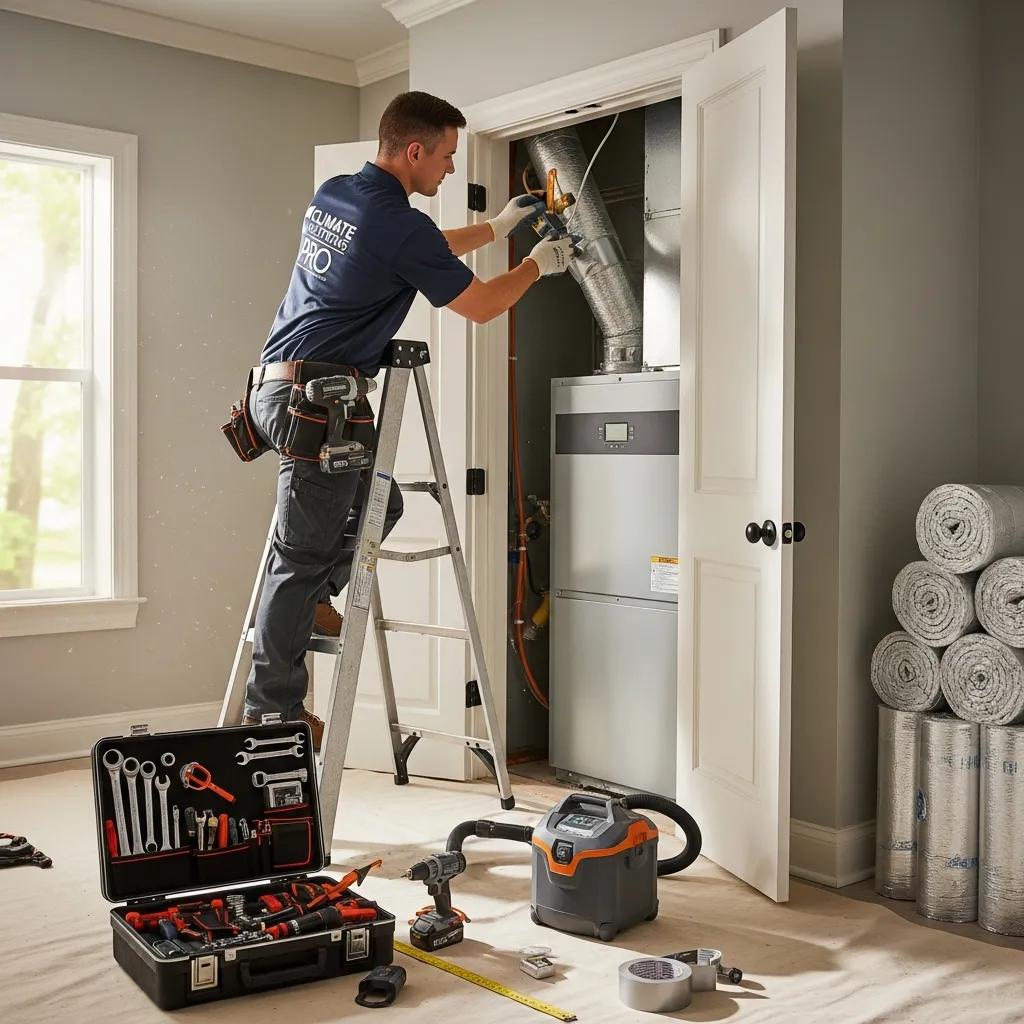
HVAC Installation: A Clear, Step‑by‑Step Guide to a Reliable, Efficient System
Installing an HVAC system sets the foundation for year‑round comfort and efficient energy use in homes and businesses. This comprehensive guide walks you through the key stages of installation — from the first site check to the final system startup — covering approximately 7-10 critical steps. You’ll gain a clear understanding of what to expect and how crucial decisions impact energy consumption, system longevity (typically 10-15 years), and indoor comfort levels. Many people struggle with picking the right unit and getting a proper install, which can drive up costs by 15-30% and lower efficiency by as much as 20%. Below, we explain the main steps, AC installation details, differences for residential and commercial jobs, and how MRV Service Air Inc. helps make the process smooth and reliable, ensuring your investment delivers optimal performance.
What Are the Essential Steps in the HVAC Installation Process?
HVAC installation follows a clear sequence so the system performs safely and efficiently. Typically, a full installation project involves 5-7 primary stages, each with multiple sub-steps, and can take anywhere from a few hours for a simple replacement to several days for a complex commercial setup. Knowing these steps helps homeowners and businesses prepare and avoid surprises on install day, ensuring a smooth transition to a more comfortable and energy-efficient environment. Each stage is critical for the overall success and longevity of the system, contributing significantly to its 10-15 year operational lifespan.
How Is the Pre-Installation Site Assessment Conducted?
The pre‑installation assessment is a crucial first step, typically taking 1-3 hours, to determine the precise heating and cooling load requirements for the space. Technicians meticulously measure the square footage of each room, ceiling heights, and window dimensions (including type and orientation). They inspect existing ductwork for leaks or damage, check insulation R-values in walls and attics, and note any obstacles that could affect equipment placement or airflow. We also factor in local climate data (e.g., average high/low temperatures, humidity levels) and your specific efficiency goals (e.g., aiming for a SEER rating of 16 or higher). This comprehensive assessment leads to the right system size and layout for dependable performance, often involving detailed load calculations (like Manual J for residential or Manual N for commercial) to precisely determine heating and cooling requirements based on the building’s unique characteristics, occupant needs, and local energy codes. This ensures the system is neither oversized (leading to short-cycling and humidity issues) nor undersized (resulting in constant running and inadequate comfort).
What Happens During Equipment Removal and Preparation?
If an older system is being replaced, safe and compliant removal comes first. This process typically takes 2-4 hours and involves carefully disconnecting electrical lines, refrigerant lines, and ductwork. Crucially, refrigerants (such as R-22 or R-410A) are recovered using specialized equipment to prevent their release into the atmosphere, adhering strictly to EPA regulations and local environmental disposal rules. Old units, often weighing hundreds of pounds, are then safely transported for recycling or disposal. Simultaneously, we clear and prep the installation area, ensuring a clean, level pad for the outdoor unit and adequate space around the indoor unit for future maintenance. This preparation phase ensures that the new system can be installed without obstruction, protecting your property and minimizing disruption to your daily routine, often involving protective coverings for floors and furniture.
How Is a New AC Unit Installed? A Step-by-Step Guide
Putting in a new air conditioner involves several coordinated steps to ensure it cools well and runs efficiently. A typical residential AC installation can take between 4 to 8 hours, depending on the complexity and whether ductwork modifications are needed. Below are the main parts of a typical AC install, each requiring precision and adherence to industry best practices for optimal performance and longevity, aiming for an efficiency gain of 15-25% over older systems.
What Are the Key Components of AC Installation?
The main components installed are the outdoor compressor/condenser unit, the indoor evaporator coil (often integrated with a furnace or air handler), the condenser coil, and the thermostat that controls the system. Each piece has a specific job: the compressor moves refrigerant, the evaporator pulls heat out of indoor air, the condenser releases that heat outside, and the thermostat manages set points and operational modes. The outdoor unit is typically placed on a level concrete pad, while the indoor coil is installed within the existing or new ductwork plenum. Correct placement and secure connections are critical for long‑term performance, along with proper sizing of the ductwork (e.g., ensuring sufficient return and supply air volume, often measured in CFM) and ensuring adequate airflow throughout the conditioned space. We ensure all components are matched for optimal efficiency, often achieving SEER ratings of 14-20+.
How Are Refrigerant Lines and Electrical Connections Managed?
Refrigerant lines, typically made of insulated copper tubing (e.g., 3/8″ and 7/8″ diameter), are carefully run between the indoor and outdoor units to allow efficient heat transfer. This involves precisely cutting, flaring, and brazing copper lines using nitrogen to prevent oxidation, followed by evacuating the system with a vacuum pump to remove all moisture and non-condensable gases (pulling down to 500 microns or less). The system is then charged with the precise amount of refrigerant (measured in pounds and ounces) according to manufacturer specifications. Electrical work follows local code (e.g., NEC standards) and safety practices, ensuring all wiring (e.g., 24V control wiring, 240V power supply) is secure, properly grounded, and protected by appropriate circuit breakers. Technicians test refrigerant charge, electrical circuits, and controls before leaving to confirm the system runs safely and as designed, verifying all components communicate effectively and the temperature differential across the coil is within 18-22 degrees Fahrenheit.
What Does the Residential HVAC Installation Process Involve?
Residential installs focus on comfort, efficiency, and quiet operation, tailored specifically for single-family homes or multi-unit dwellings. Proper planning and correct equipment sizing are the keys to a system that works well for your home, providing consistent temperatures and healthy indoor air quality tailored to your family’s needs, often reducing energy bills by 10-30% compared to older, inefficient systems.
How Is HVAC System Sizing Determined for Homes?
Sizing is based on detailed load calculations that consider numerous factors: square footage (e.g., 1 ton of AC capacity per 400-600 sq ft), insulation R-values (e.g., R-30 in attics, R-13 in walls), window types (e.g., single-pane vs. double-pane, Low-E coatings), air infiltration rates, and the local climate data (e.g., design temperatures for heating and cooling). The right size prevents short cycling (where the system turns on and off too frequently) and keeps energy use in check — an oversized system will cool too quickly, leading to humidity issues and discomfort, while an undersized system will run constantly without reaching the desired temperature, both resulting in discomfort and higher energy bills. Precise sizing ensures the system operates at its peak efficiency, typically within 90-95% of its rated capacity.
What Are the Best Practices for Ductwork and Ventilation in Residences?
Good ductwork is meticulously sealed, insulated, and balanced to deliver consistent airflow to every room. Best practices include using appropriate duct materials (e.g., galvanized steel, fiberglass board, or flexible insulated ducts with R-6 or R-8 insulation), minimizing bends and turns to reduce static pressure, and ensuring all connections are sealed with mastic or high-quality foil tape to prevent air leaks, which can account for significant energy loss (up to 20-30% of conditioned air). Proper design also includes adequate return air pathways and potentially dedicated fresh air ventilation systems (like ERVs or HRVs) to improve indoor air quality. Regular checks and cleaning (recommended every 3-5 years) help keep ducts working efficiently over time, ensuring optimal air delivery and filtration.
How Is Commercial HVAC Installation Different and What Should Businesses Expect?
Commercial projects are significantly larger and often more complex than residential installations, frequently involving systems with capacities ranging from 5 tons to over 100 tons. They require detailed plans that match stringent building codes, zoning needs, and higher capacity requirements, often involving specialized equipment like rooftop units (RTUs), chillers, or variable refrigerant flow (VRF) systems, along with intricate control systems to manage diverse environments within a single building. Installation timelines can range from several days to multiple weeks, depending on the scale.
What Are the Unique Challenges in Commercial HVAC Setup?
Commercial installs face a unique set of challenges. These include navigating tight spaces for large equipment (e.g., rooftop cranes for unit placement), complex zoning and control needs for multiple tenants or distinct areas (e.g., server rooms, retail floors, offices), larger capacity systems requiring robust electrical infrastructure (e.g., 480V, 3-phase power), and stricter code compliance (e.g., ASHRAE standards, fire codes, seismic requirements). These factors make extensive planning, detailed engineering, and precise coordination essential to avoid costly delays or performance issues. Additionally, commercial systems often require integration with sophisticated building management systems (BMS) for centralized control, energy monitoring, and advanced diagnostics, demanding a higher level of technical expertise and specialized certifications from installers.
How Does MRV Service Air Inc. Address Commercial Installation Needs?
MRV Service Air Inc. brings extensive local experience to commercial jobs, having successfully completed projects ranging from small retail spaces to large industrial facilities. We design solutions that not only meet all local and state building codes but also fit the building’s unique layout and deliver the specific performance businesses need — with critical attention to uptime, energy efficiency (often targeting LEED certification standards), and long‑term reliability. Our team understands the specific demands of commercial operations, from maintaining precise temperature control in data centers to ensuring comfortable environments for customers in retail stores. We provide robust systems built for continuous, heavy-duty use, often incorporating advanced features like economizers and demand-controlled ventilation to optimize energy consumption by 10-20%.
Why Choose Professional HVAC Installation Services from MRV Service Air Inc.?
Professional installation protects your significant investment, improves system life by up to 30%, and keeps manufacturer warranties valid (which often require professional installation). A correctly installed system runs safer, uses less energy (saving 10-25% on utility bills), and provides consistent comfort, offering peace of mind and long-term savings that DIY or inexperienced installations simply cannot match. Our certified technicians ensure every detail meets or exceeds industry standards.
How Does Local Expertise Enhance Installation Quality?
Local technicians from MRV Service Air Inc. possess invaluable knowledge of unique climate and specific code requirements. That insight helps us recommend equipment and settings that maintain optimal comfort and efficiency year‑round, whether battling scorching summer temperatures (often exceeding 100°F) or cooler winter nights (dropping below freezing). Our understanding of local weather patterns, soil conditions for outdoor unit pads, and specific energy efficiency incentives allows us to select and configure systems that are perfectly suited to withstand the specific environmental challenges of the region, ensuring optimal performance, durability, and compliance with local regulations, such as Title 24 energy codes.
What Financing and Maintenance Options Support Your HVAC Investment?
MRV Service Air Inc. understands that a new HVAC system is a significant investment. We offer flexible financing plans with competitive interest rates and terms (e.g., 0% APR for 12-60 months for qualified buyers) to make upgrades more accessible and manageable. Additionally, we provide comprehensive maintenance agreements (e.g., annual or biannual plans) to keep systems in peak condition. Regular service, including seasonal tune-ups and filter replacements, extends equipment life by several years and keeps energy costs down by ensuring optimal efficiency. Our maintenance plans often include priority service, discounted repairs (e.g., 10-15% off parts and labor), and detailed performance reports, safeguarding your investment for years to come.
| Installation Step | Description | Importance | Typical Duration |
|---|---|---|---|
| Pre-Installation Assessment | Evaluates site conditions, load calculations (Manual J/N), and existing infrastructure. | Ensures proper system selection and sizing for optimal efficiency and comfort. | 1-3 hours |
| Equipment Removal | Safely disconnects and removes old HVAC systems, recovering refrigerants per EPA guidelines. | Prevents environmental harm and prepares the site for new equipment. | 2-4 hours |
| System Sizing | Determines appropriate system capacity (e.g., tonnage, BTU/hr) based on detailed calculations. | Optimizes performance, prevents short-cycling, and maximizes energy efficiency. | Integrated with assessment |
| New Unit Placement | Positions outdoor condenser and indoor air handler/furnace in optimal locations. | Ensures proper airflow, drainage, and accessibility for maintenance. | 1-2 hours |
| Ductwork & Connections | Installs/modifies ductwork, connects refrigerant lines, and secures electrical wiring. | Critical for efficient air distribution, safe operation, and system integrity. | 3-6 hours (can vary significantly) |
| System Evacuation & Charge | Removes air/moisture from refrigerant lines and adds precise refrigerant charge. | Essential for system efficiency, longevity, and preventing compressor damage. | 1-2 hours |
| Testing & Commissioning | Thoroughly tests all components, controls, and verifies system performance. | Confirms safe, efficient operation and adherence to manufacturer specifications. | 1-2 hours |
This summary highlights the core steps that lead to a successful HVAC install and a system you can rely on for 10-15 years, often with a 10-year parts warranty.
Installing HVAC equipment is technical work that benefits immensely from meticulous planning, the selection of the right equipment (e.g., correctly sized units with appropriate SEER/HSPF ratings), and the expertise of skilled, certified technicians. By understanding the steps above, homeowners and business owners can make informed decisions that significantly improve comfort, lower long‑term operating costs by 15-30%, and ensure compliance with all local regulations. MRV Service Air Inc. is ready to help with professional installations tailored to your property, ensuring a seamless and efficient upgrade.
Conclusion
Knowing how HVAC installation works helps you choose the right equipment and installer, and it protects your comfort and budget over time. Follow the comprehensive steps outlined here and rely on professional help when you need it. If you’re in Delano, CA, or nearby, MRV Service Air Inc. can guide you through equipment selection, flexible financing options, and a clean, code‑compliant installation — so your system performs the way it should, delivering reliable comfort and efficiency for years to come.